In the British construction and industrial sectors of 2026, compliance is no longer a post-completion paperwork exercise – it is the foundation of the entire build process. For project managers and structural engineers, selecting a structural steelwork supplier UK is now a decision governed by risk mitigation. With the full integration of the Building Safety Act secondary legislation and the stringent oversight of the National Regulator for Construction Products, the margin for error in steel procurement has vanished.
At Aldridge Fabrications (AF) Limited, we recognise that our clients aren’t just buying steel; they are buying the assurance that every weld, bolt, and beam meets the highest legal and safety benchmarks.
The 2026 Regulatory Landscape: Beyond the Basics
Since the transition from CE marking to UKCA (UK Conformity Assessed) marking became mandatory for goods placed on the market in Great Britain, the scrutiny on fabricated structural steel has intensified. In 2026, compliance is defined by three core pillars: Traceability, Competency, and Verification.
1. Material Traceability: The Golden Thread
The “Golden Thread” of information is a requirement that follows a component from the furnace to the final installation. For any bespoke metalwork project, Aldridge Fabrications maintains rigorous records of:
- Mill Test Certificates (MTCs): Proving the chemical and mechanical properties of the raw steel.
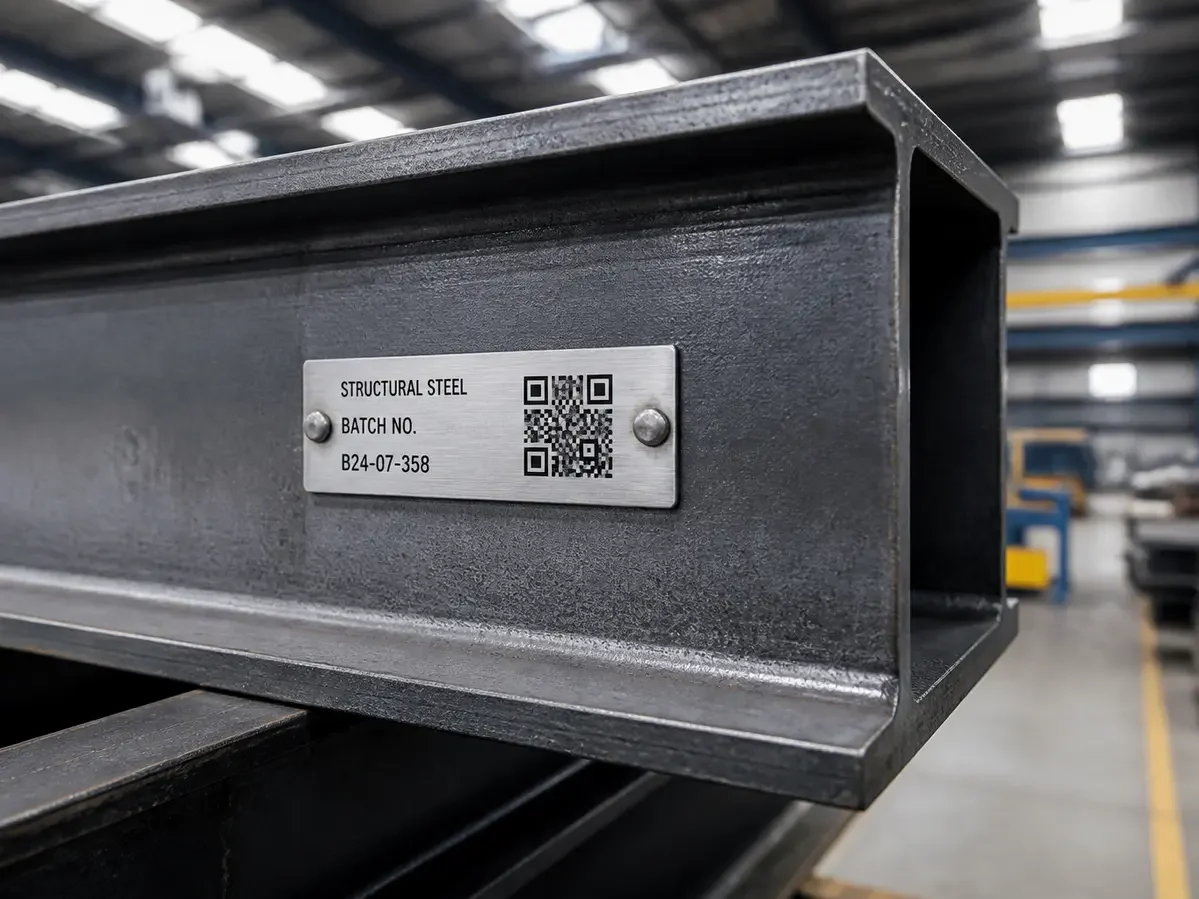
- Batch Tracking: Ensuring that every component in a structural assembly can be traced back to its specific production run.
- Non-Destructive Testing (NDT): Utilising ultrasonic or magnetic particle inspection to verify internal integrity.
Material grades such as S235, S275, and S355 must be correctly specified and verified. A failure in traceability at the procurement stage can lead to catastrophic structural failure or, at the very least, a complete rejection of the works by building control.
BS EN 1090 and Execution Classes: Specifying for Risk
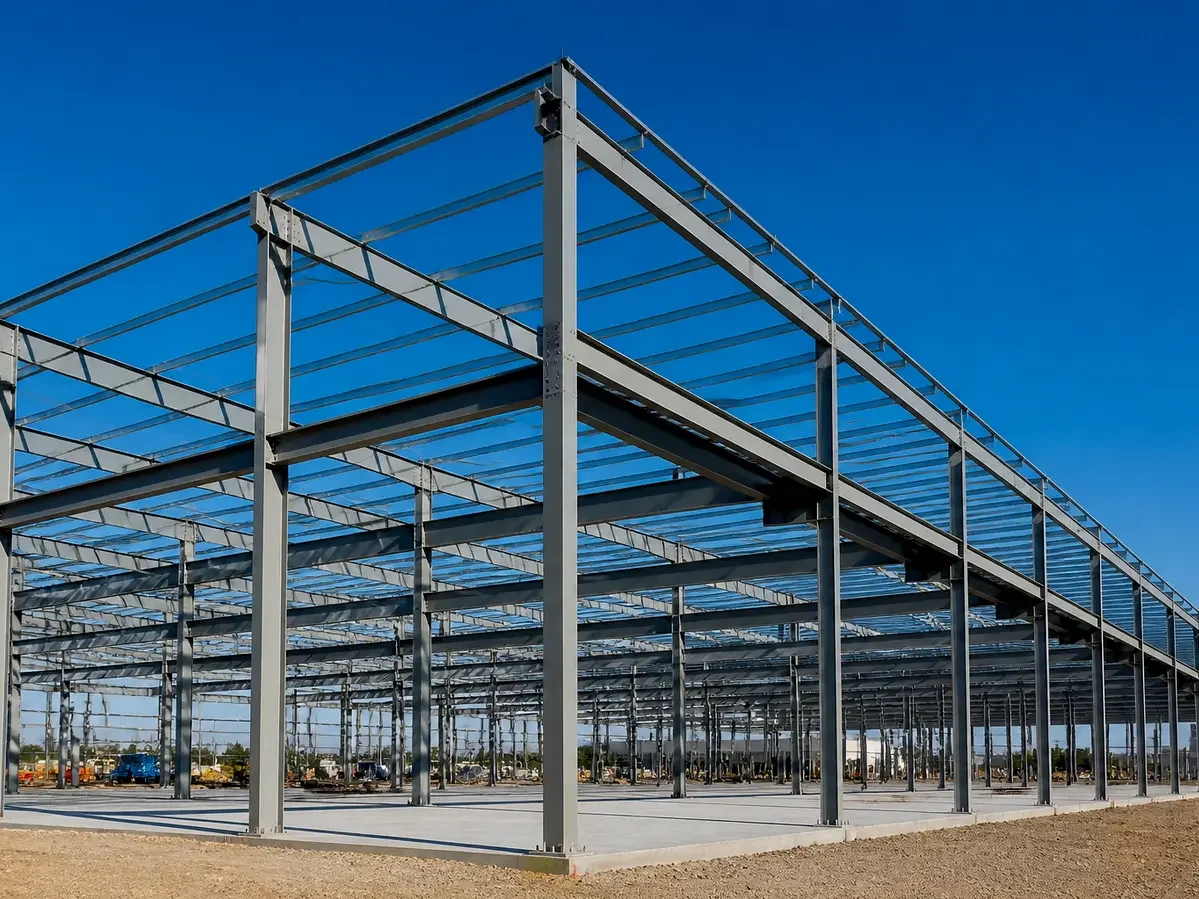
All structural steelwork must be manufactured in accordance with BS EN 1090. This standard classifies projects into Execution Classes (EXC1 through EXC4) based on the risk to human life and the complexity of the structure. Selecting the wrong class can lead to over-engineering or, more dangerously, under-specification.
- EXC1 (Execution Class 1): Typically reserved for farm buildings, agricultural sheds, and low-risk structures with minimal human occupancy.
- EXC2 (Execution Class 2): The industry standard for most residential, commercial, and light industrial buildings in the UK. This covers the majority of multi-storey frames and standard steelwork.
- EXC3 (Execution Class 3): Required for supporting structures in high-rise buildings, bridges, and high-consequence structures where failure would be catastrophic.
As a specialist structural steelwork supplier UK, Aldridge Fabrications operates a Factory Production Control (FPC) system that ensures every project is fabricated to the precise Execution Class demanded by the engineer’s specification.
Fire Safety and Structural Integrity: Approved Document B
Following the 2025 updates to the UK Building Regulations, Approved Document B (Fire Safety) has placed higher demands on the interaction between steel fabrication and fire protection coatings. The integration of intumescent paints and fire-resistant encasements must be considered during the fabrication phase.
By engaging with a technically proficient structural steel fabricator early in the design phase, engineers can optimise the fabrication geometry to reduce the cost of secondary fire protection and ensure the structural frame maintains its integrity during a fire event.
Why Technical Competency Matters in Welding
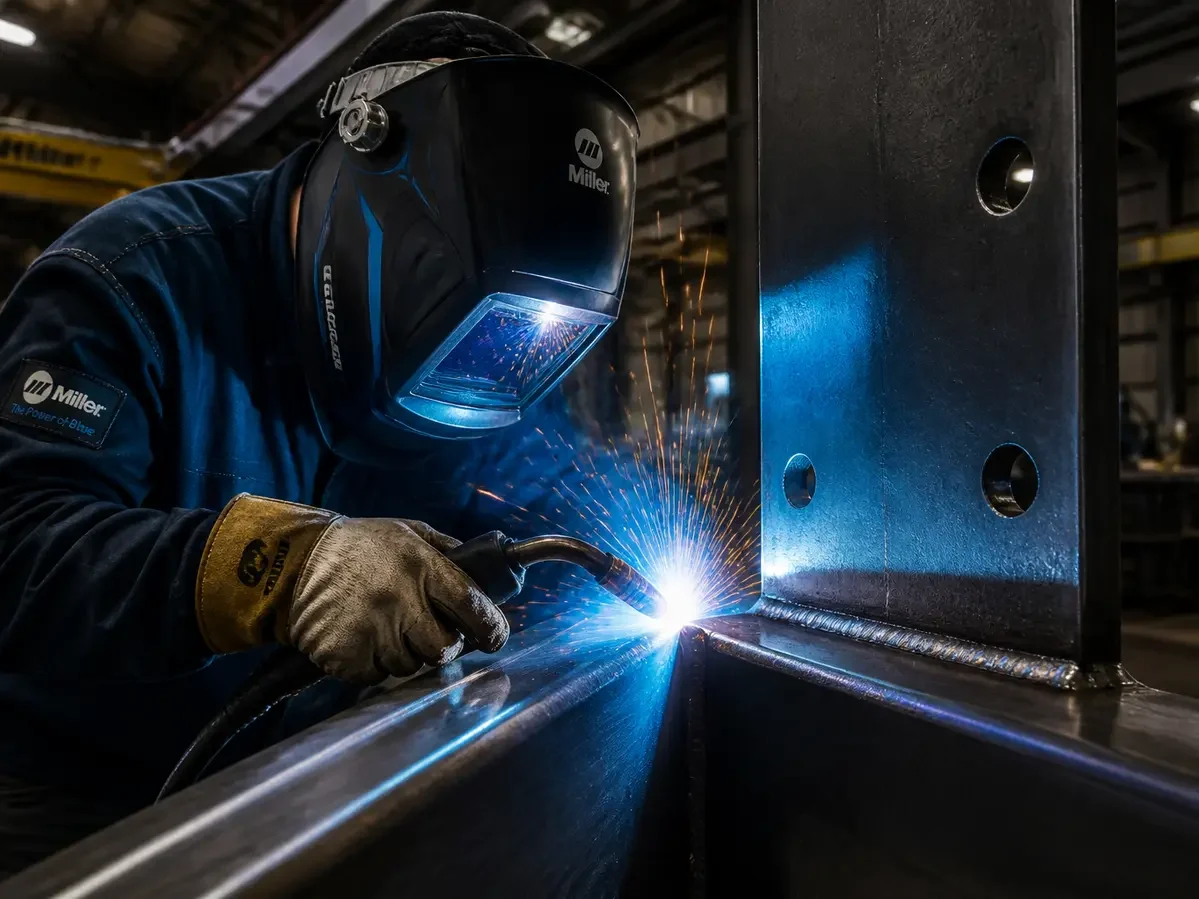
In our Burntwood facility, our precision welding processes are governed by Welding Procedure Specifications (WPS) and Welder Qualifications (WPQR). Every operative is certified to deliver the specific weld required for the structural load, overseen by our Responsible Welding Coordinator (RWC).
This technical rigour is what separates a general metalworker from a specialist structural steelwork supplier UK. We invest in continuous training and external auditing to ensure that our welding quality, geometrical tolerances, and finish standards (including galvanising to BS EN ISO 1461) are beyond reproach.
Sourcing and Sustainability: The Circular Economy
In 2026, the environmental impact of structural steel is a key metric for BREEAM and LEED certifications. Aldridge Fabrications prioritises the use of sustainably sourced steel with high recycled content. By shortening supply chains and sourcing locally within the West Midlands, we reduce the embodied carbon of your project while ensuring faster lead times and lower transport risks.
Conclusion: Securing Your Supply Chain
As the UK construction industry continues to professionalise under new 2026 regulations, your choice of fabrication partner is a direct reflection of your commitment to safety and quality. About Aldridge Fabrications, we provide the technical expertise, the local Staffordshire presence, and the certified processes required to meet the challenges of modern engineering.
Contact Aldridge Fabrications today to discuss your structural requirements and request a compliance-ready quote.
Frequently Asked Questions
What is UKCA marking for structural steel?UKCA marking is the mandatory safety certification for structural steel products sold in Great Britain, replacing the older CE mark to ensure compliance with UK safety standards.
What execution class do I need for a commercial warehouse?Most commercial and industrial buildings in the UK require Execution Class 2 (EXC2) under BS EN 1090 regulations.
How does the Building Safety Act affect steel fabrication?The Building Safety Act 2022 introduces a “Golden Thread” of digital information, requiring fabricators to provide full material traceability and digital records for all structural components used in higher-risk buildings.